
As 2025 is upon us, we say goodbye to back-to-back years of the hottest temperatures Earth has ever seen. Perhaps it’s time we start planning ahead for a somewhat sustainable future. Just in the off chance Elon Musk’s AI worldwide takeover fails miserably, much like his numerous attempts at humor have. Especially if the makeup of the incoming administration is as promised. The likelihood of Washington’s governmental gridlock becoming worse than Greater Boston traffic during rush hour is off the charts. So, in case our species has another decent run left in us here before the billionaire class misleads the masses into believing Mars is the upcoming gentrification hotspot. Let’s devise an environmental game plan unless you’d prefer the vacuum of space to become prime real estate relatively soon. The meat production industry is one of the most prolific contributors to global warming. So now is as good a time as any to research the alternatives.
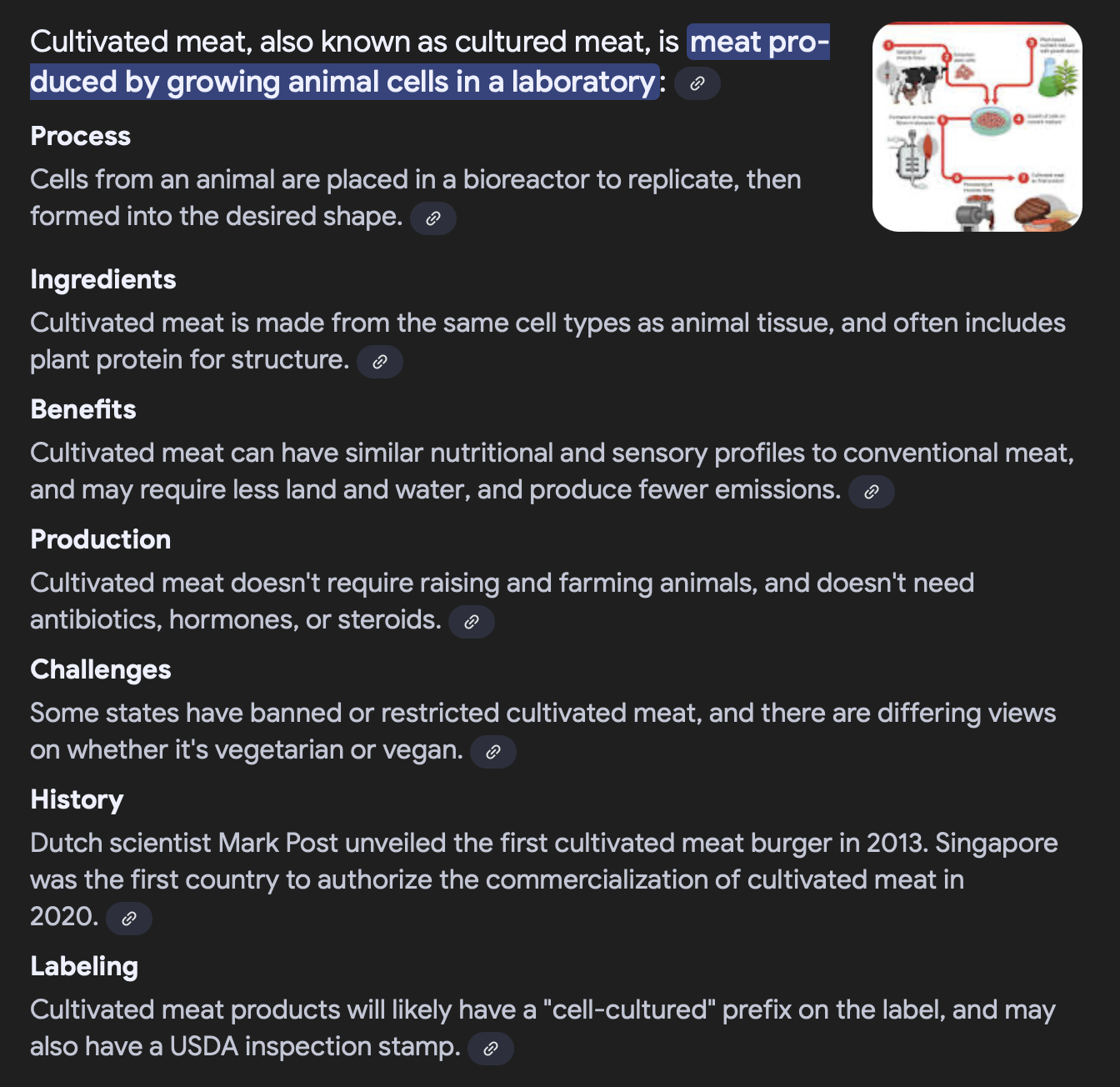

For any delusional optimists thinking, “What about switching over to an entirely plant-based diet?” I raise your question with another question, “How’s the weather in the Wonder World Of Make-Believe these days?” Let me guess, record-breaking heat, the same as the real world. Since the last time I checked your IP address, in clear violation of your restraining order, that’s exactly where you are. However, 86% of people surveyed globally are meat eaters, including 89% of Americans. Never mind that your average American eats 40% more meat than recommended guidelines suggest. It’s about time we weigh the pros and cons of the cultivated meat industry going forward. Because this crisis isn’t about to solve itself.



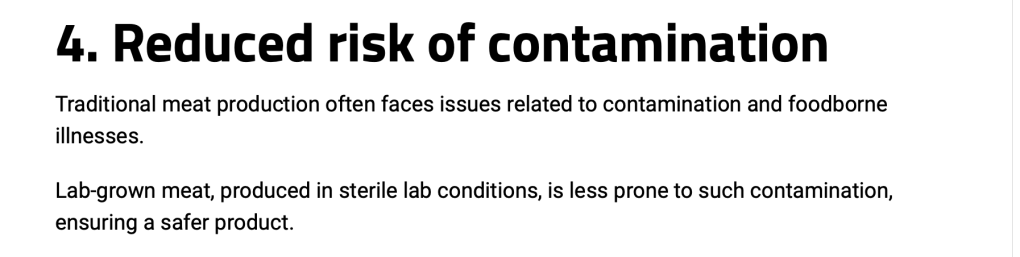
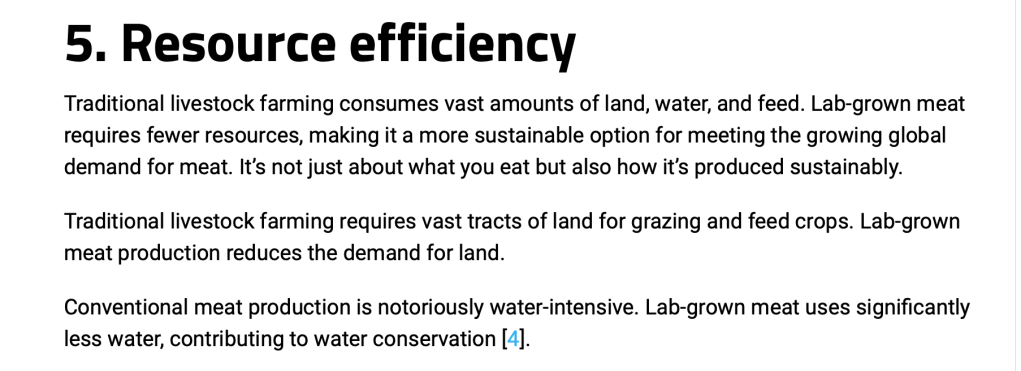
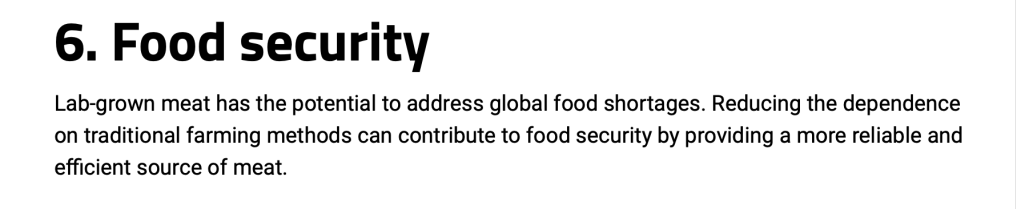




Certain States and Countries have preemptively banned cultivated meats. In some cases, it’s due to legitimate concerns, but in others, it’s based solely on misinformation and propaganda. I mean, if everyone lived by Florida’s logic, access to internet porn and conversations about human sexuality would be high up on the endangered list. Meanwhile, gigantic invasive pythons would be surging up the nation’s food chain. Florida’s gonna do whatever the fuck it is Floriduh does. But that doesn’t necessarily make it right, now does it? The largest counterarguments against the use of cultivated meat are its cost and the potential to have its own harmful carbon footprint. Most detractors cite a UC Davis study as proof that the industry is more detrimental than promising. However, if you sincerely read the study, it says as long as cultivated meat operates like the pharmaceutical industry, it will be costly and environmentally harmful. If the private sector operates meat cultivation by the current government food guidelines instead of those for medicine. It will be priced effectively and reduce global warming by up to 80%, according to the same exact UC Davis study often raised in debate.


 THE-ANTI-SOCIAL-MEDIA